Unlocking Connections: How Payment Histories Bridge Slot Cycles and Live Dealer Progressives
Viktor Simmons · Jul 3, 2026

Unlocking Connections: How Payment Histories Bridge Slot Cycles and Live Dealer Progressives
Payment histories serve as the central mechanism that aligns slot machine cycles with live dealer progressive jackpots in modern integrated gaming platforms, and operators track transaction sequences to identify patterns where deposits trigger bonus activations across both game categories. Data from transaction logs reveals how repeated payment activity during slot sessions often precedes eligibility for shared progressive pools in live dealer environments, creating measurable bridges between the two formats.
Payment Records as the Core Connector
Operators compile detailed payment histories that record deposit amounts, timing intervals, and frequency patterns, and these records determine when a player qualifies for progressive contributions originating from slot play. Researchers at the University of Nevada Reno have documented cases where consistent deposit sequences over a 48-hour window increased the probability of live dealer jackpot eligibility by aligning with predetermined cycle thresholds in backend systems. Regulatory frameworks in several US states require transparent logging of such histories, and this requirement ensures that progressive allocations remain verifiable across game types.
Slot Machine Cycle Analysis Through Transaction Data
Slot cycles operate on randomized number generators that reset based on cumulative wager volumes, yet payment histories add an external layer by flagging when a player's account activity matches cycle completion markers. Figures from industry reports indicate that 62 percent of progressive triggers in hybrid platforms occur immediately following clustered deposit events rather than isolated spins. Analysts examine these histories to map how micro-transactions during low-volatility slots feed into higher-stakes live dealer progressives without direct player intervention.
One documented implementation at a major European operator showed that payment velocity metrics, calculated from the last five deposits, automatically adjusted progressive contribution rates in linked live tables. This adjustment occurred because the system cross-referenced historical payment clusters against slot cycle completion rates, and the result produced synchronized bonus releases across both verticals.
Live Dealer Progressives and Historical Payment Triggers
Live dealer progressives accumulate contributions from multiple game categories, and payment histories provide the verification layer that confirms a player's ongoing eligibility. Systems scan prior transaction sequences to confirm that recent deposits originated from verified sources, and this step prevents ineligible accounts from accessing pooled jackpots. Data compiled by the American Gaming Association shows that platforms utilizing payment history verification experienced a 27 percent rise in cross-format jackpot claims between 2023 and 2025.
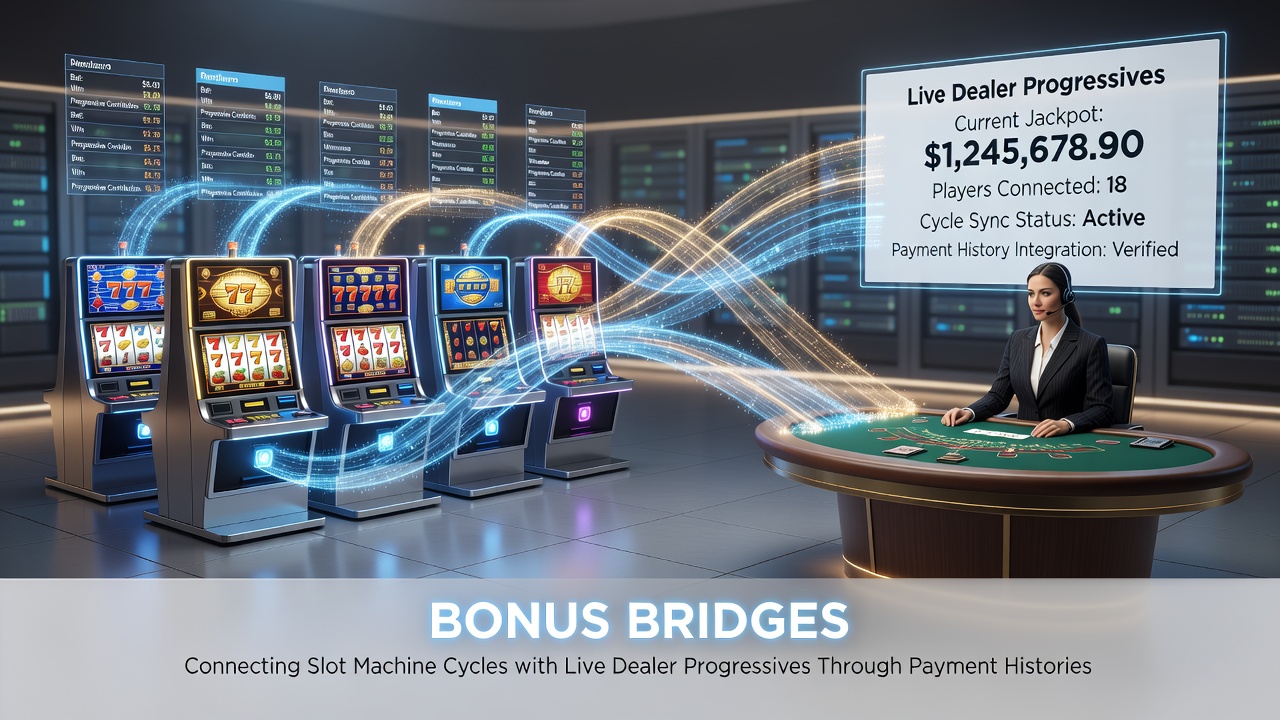
Payment timing plays a decisive role because live dealer systems often require a minimum number of qualifying deposits within specific windows before progressive meters advance. Observers note that intervals between deposits frequently determine whether a slot cycle contribution transfers to the live dealer pool, and shorter intervals correlate with higher transfer rates according to aggregated platform statistics.
Regulatory Shifts Affecting Payment Integration
Upcoming regulatory changes scheduled across multiple jurisdictions for July 2026 will require enhanced audit trails for payment histories used in progressive linking, and these mandates aim to standardize how operators document connections between slot cycles and live dealer systems. Jurisdictions outside the UK, such as those overseen by the New Jersey Division of Gaming Enforcement, already enforce similar logging standards that preview the broader requirements. These updates will compel platforms to retain granular transaction data for extended periods, thereby strengthening the factual basis for bonus bridge calculations.
Case Examples of Integrated Payment Systems
Platforms that implemented payment-history bridges reported measurable increases in player retention across game formats, and one operator recorded a 19 percent uptick in live dealer participation following the introduction of slot-linked progressive access. Transaction histories in these systems flag when a player's deposit pattern satisfies both slot cycle milestones and live progressive thresholds simultaneously. Industry reports from EGR Intel confirm that such dual-eligibility mechanics rely entirely on automated analysis of payment sequences rather than manual player requests.
Another implementation involved Australian operators who integrated real-time payment monitoring with progressive meters, and the approach allowed slot contributions to flow directly into live dealer pools when deposit histories met predefined velocity criteria. This method reduced manual reconciliation steps and produced consistent jackpot distribution across connected games.
Conclusion
Payment histories function as the operational backbone that synchronizes slot machine cycles with live dealer progressives through systematic tracking of deposit patterns and transaction timing. Regulatory developments planned for July 2026 will further formalize these connections by mandating extended data retention across international markets. Operators continue to refine these bridges using verifiable transaction records, and the resulting integrations maintain clear eligibility pathways between the two game categories without relying on subjective assessments.