UK Government Opens Consultation on Restricting Unlicensed Gambling Sponsorships Across Sports - 1786684932606
Viktor Simmons · Aug 14, 2026

UK Government Opens Consultation on Restricting Unlicensed Gambling Sponsorships Across Sports
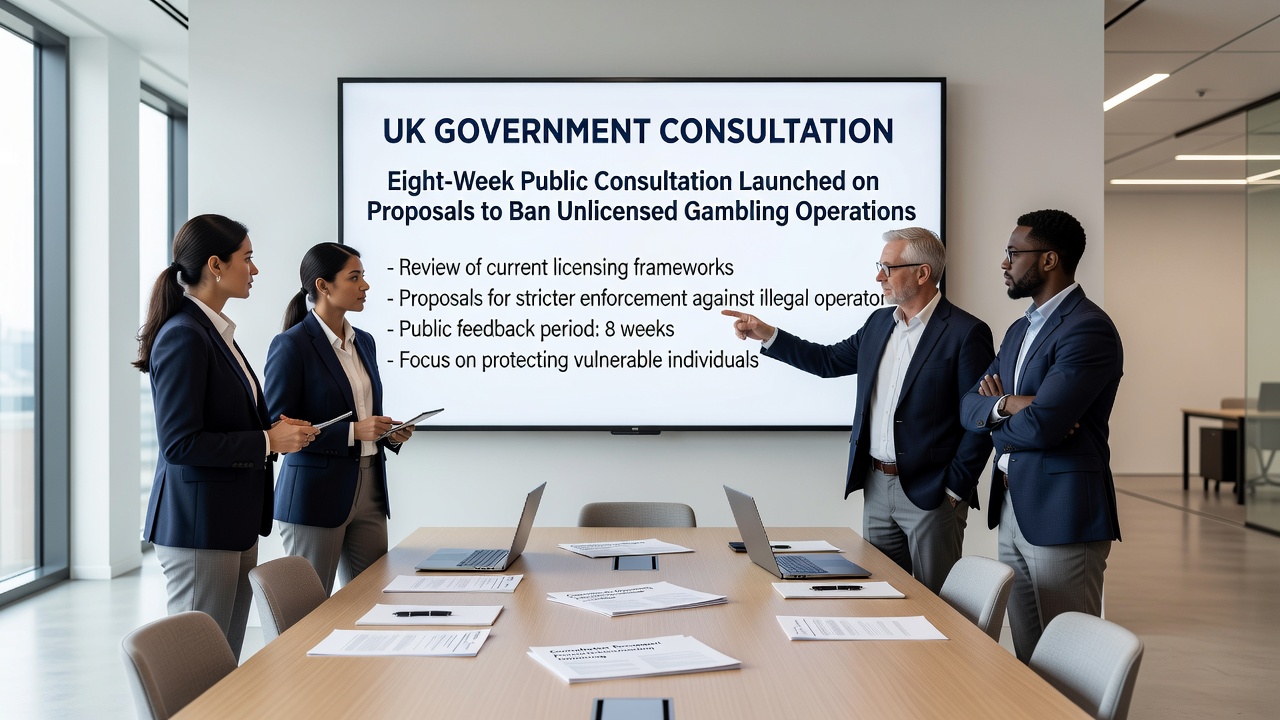
The UK government has launched an eight-week consultation period focused on proposals that would prevent unlicensed gambling operators from sponsoring sports teams and events, and this move directly targets casinos along with other betting entities that lack proper UK licensing. Officials aim to shield vulnerable individuals from exposure to unregulated platforms while also addressing potential links to money laundering and organized crime networks that sometimes operate through offshore entities.
Premier League clubs such as Everton FC serve as prominent examples in the discussion because several teams currently display logos from gambling companies on their kits and around stadiums, yet the new rules would extend to pitch-side advertising and broader venue branding as well. Formula One teams and events fall under the same proposed restrictions, which means any sponsorship deals involving unlicensed operators would face prohibition if the measures advance.
Scope of the Proposed Measures
Under the outlined plans, unlicensed operators including crypto-focused casinos based offshore would lose the ability to promote their brands through kit logos, stadium naming rights, or advertising hoardings at matches and races. The consultation document specifies that these changes seek to stop the promotion of sites operating without UK Gambling Commission oversight, and data from regulatory reviews have shown increased risks when such promotions reach wide audiences through popular sports.
Researchers tracking gambling advertising trends note that offshore platforms often target UK viewers via sports sponsorships, which creates pathways for users to access services that bypass self-exclusion tools like GamStop. The proposals therefore focus on closing those gaps by requiring all sponsors to hold valid licences before they can appear in any visible capacity at sporting venues or on team apparel.
Timeline and Implementation Path
Any final ban resulting from this consultation could begin as early as August 2027, though authorities have indicated the latest possible rollout date would fall no later than August 2028. This schedule allows time for affected parties to adjust existing contracts while giving the government room to refine details based on feedback received during the eight-week review process.
Preparatory work on related regulatory updates has already appeared in earlier government discussions, and the current consultation builds on those foundations by seeking input from sports governing bodies, clubs, operators, and public health groups. Figures from previous impact assessments suggest that a structured phase-in period would help minimize disruption to team finances that rely on sponsorship revenue.
Stated Objectives Behind the Consultation
Protection of vulnerable people stands as the primary goal according to the official consultation text, and this includes limiting the reach of marketing that might encourage participation among those at higher risk of gambling-related harm. Additional aims center on reducing opportunities for money laundering that authorities have connected to certain unlicensed operations, particularly those tied to international crime groups.
The measures also target the direct promotion of unregulated websites that currently secure visibility through sports deals, and observers note that crypto casinos without UK licences represent a growing segment in this space. By requiring licensing compliance, regulators expect to channel more activity toward supervised platforms that must follow responsible gambling standards and reporting requirements.
Industry Context and Existing Deals
Many current sponsorship arrangements involve operators based outside UK jurisdiction, and the consultation explicitly addresses how these offshore arrangements would lose their ability to continue once any ban takes effect. Teams and event organizers would need to identify alternative sponsors or shift to licensed providers to maintain compliance with the new framework.
Consultation responses will help determine exact definitions for what counts as unlicensed activity and how enforcement mechanisms would operate across different sports. Sports bodies have already begun internal reviews of their commercial partnerships in anticipation of the outcome, while some clubs explore diversification strategies that avoid reliance on gambling revenue streams.
Conclusion
The eight-week consultation period marks a focused effort by UK authorities to reshape how gambling operators interact with professional sports, and the resulting rules could reshape sponsorship landscapes for Premier League clubs, Formula One teams, and other major entities. Stakeholders now have the opportunity to submit evidence and views that will shape the final policy before any changes move toward implementation in 2027 or 2028. Further details appear in the official consultation on banning unlicensed gambling sponsorship, which remains open for public input during the designated window.