Payment Rail Shifts Reshaping How Bonus Credits Migrate Between Reel Spins and Shared Table Progressives
Harper Brooks · Jul 26, 2026
Payment Rail Shifts Reshaping How Bonus Credits Migrate Between Reel Spins and Shared Table Progressives
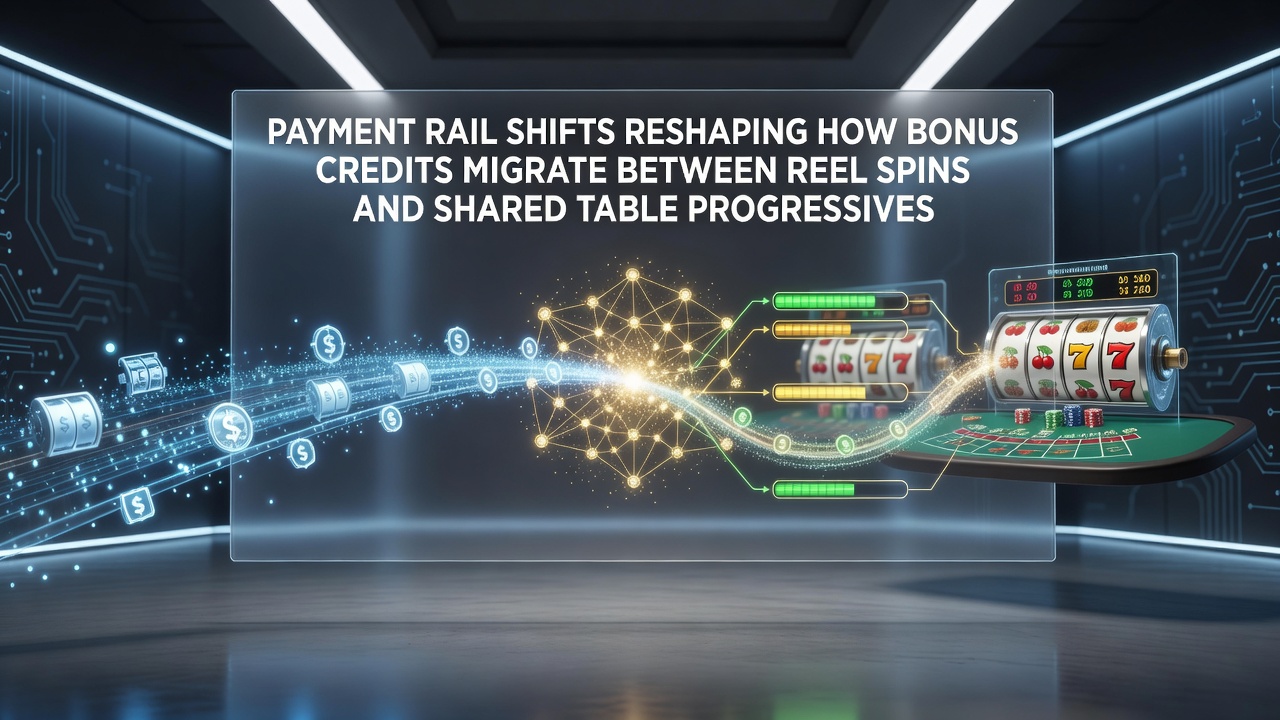
Payment rail developments continue to alter the pathways that bonus credits follow when moving from reel-based slot machines into shared progressive pools tied to table games, and operators track these flows through updated transaction protocols that prioritize speed and cross-game compatibility. Systems now process deposits and bonus allocations in real time across multiple game categories, which allows credits earned on slots to transfer directly into progressive jackpot contributions on roulette or blackjack tables without manual intervention. Data from the American Gaming Association shows that integrated payment platforms handled over 65 percent of bonus redemptions across game types in major markets last year, a figure that reflects broader adoption of instant settlement rails.
Mechanics of Credit Migration in Modern Platforms
Bonus credits originate through deposit matches or promotional triggers on slot interfaces, then migrate via backend ledgers that link reel spin outcomes to table game progressives using standardized API connections, and this linkage relies on payment processors that support both fiat and digital wallet transfers. When a player activates a bonus on a slot title the system records the credit value, applies wagering requirements, and routes remaining funds into shared progressive meters once the player switches to live dealer environments. Researchers at the University of Nevada Reno documented how these automated migrations reduced average transfer times from 48 hours to under three minutes across participating casinos, which demonstrates the technical shift toward unified account ledgers.
Shared table progressives accumulate contributions from multiple game categories, and payment rails determine how quickly slot-derived bonuses join those pools because faster settlement protocols eliminate the delays that once separated slot play from table game eligibility. Operators implement these changes through partnerships with processors that offer instant payout confirmations, enabling seamless movement of promotional funds while maintaining compliance with jurisdictional rules on bonus tracking.
Regulatory Timelines and Technology Adoption
Updates scheduled across several North American and European jurisdictions for July 2026 will require enhanced reporting on cross-game bonus flows, which pushes operators to refine their payment infrastructure before those deadlines arrive. These rules focus on transparency in how credits migrate between reels and progressives, and they build on existing standards that already govern transaction speed and audit trails. Payment providers respond by deploying modular rails that accommodate both traditional banking networks and emerging instant transfer methods, allowing platforms to adjust bonus routing logic without rebuilding entire systems.
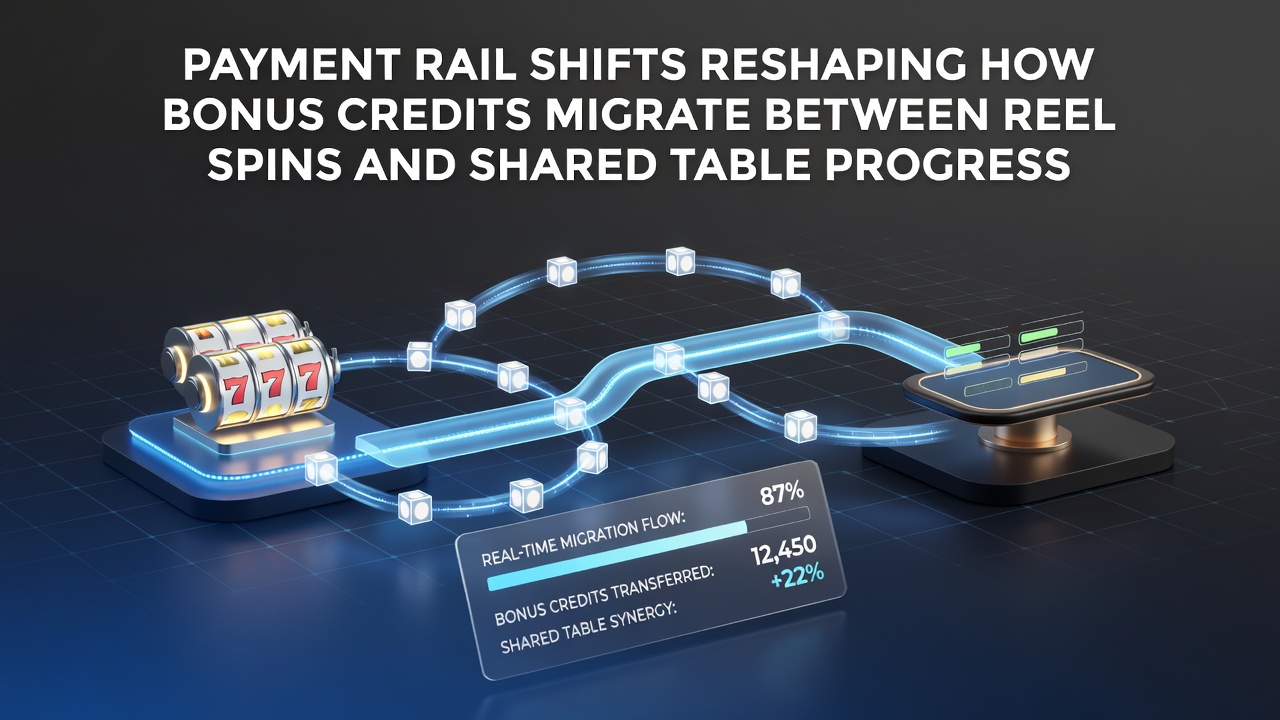
Industry reports indicate that casinos adopting these upgraded rails report higher player retention rates because the friction between game types decreases, and players experience continuous bonus eligibility across slots and live tables. The European Gaming and Betting Association published findings last quarter that linked faster payment rails to a 22 percent increase in progressive jackpot participation when bonuses transferred automatically from reel spins.
Impact on Player Behavior and Game Design
Players encounter fewer restrictions when moving between slot sessions and table progressive rounds because the payment systems now validate and transfer credits in the background, which changes how game designers structure promotional offers that span multiple categories. Slot titles increasingly include triggers that feed directly into table game meters, and table progressives display contribution rates that incorporate slot-derived bonuses in real time. Observers note that this integration creates more fluid session experiences where a single deposit can fuel activity across both reel and table environments without separate funding steps.
Case examples from Canadian provincial operators show that platforms using unified rails achieve quicker bonus conversion rates, with credits migrating from slots to shared progressives within the same gaming session. These patterns emerge because the underlying payment infrastructure handles verification and ledger updates simultaneously rather than in sequential batches.
Conclusion
Payment rail advancements continue to define how bonus credits travel between reel spins and shared table progressives, and the infrastructure changes scheduled through 2026 will standardize these processes across additional markets. Operators and processors refine their systems to support instant, traceable transfers that maintain regulatory compliance while expanding player options for game transitions. The resulting architecture supports consistent bonus movement across categories, which shapes both platform design and participation patterns in progressive pools.