Payment Pathways Unlocking Layered Incentives Across Reel Mechanics, Dealer Tables, and Cumulative Prize Networks in Digital Platforms
Cameron Berger · May 19, 2026
Payment Pathways Unlocking Layered Incentives Across Reel Mechanics, Dealer Tables, and Cumulative Prize Networks in Digital Platforms
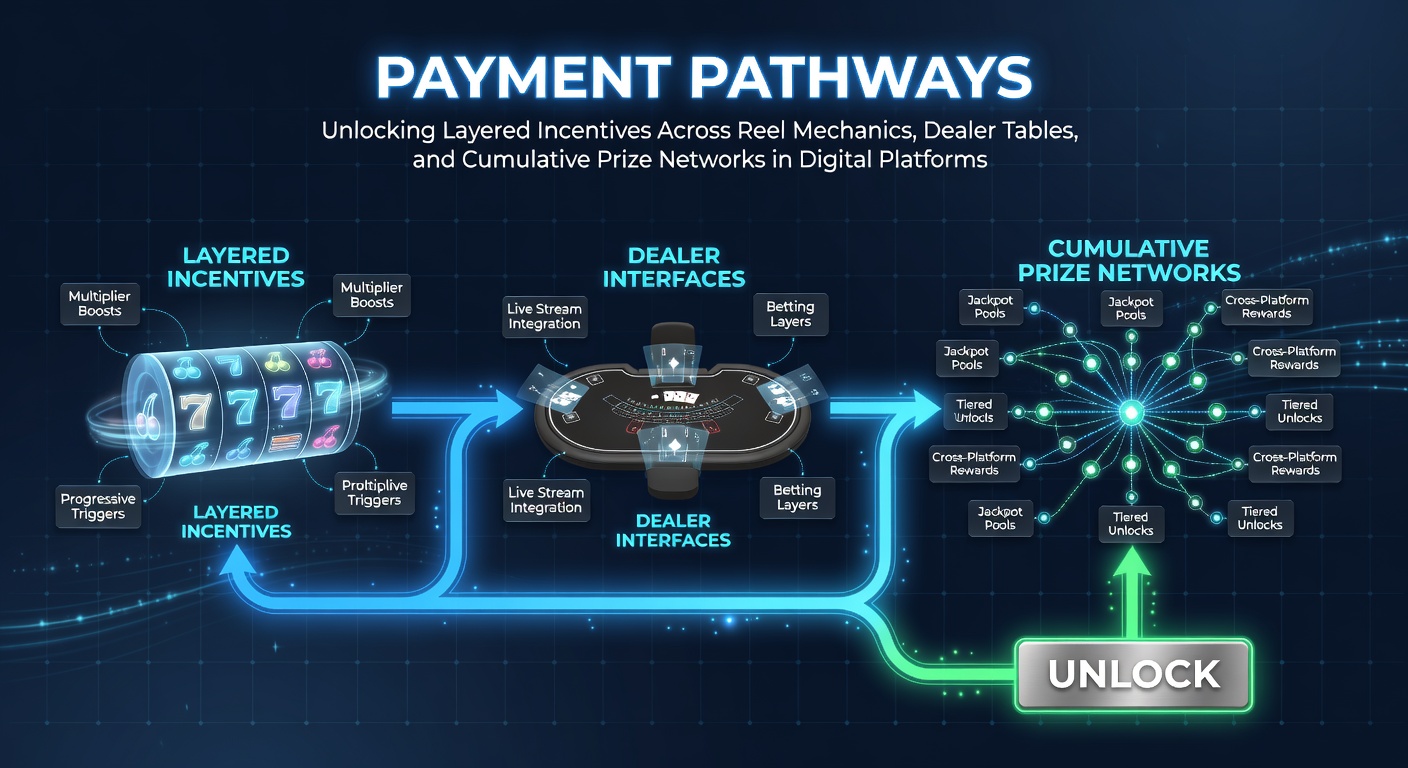
Payment systems now route funds through instant verification layers that trigger bonus structures across multiple game categories at once. These pathways activate reel-based multipliers while simultaneously feeding into live dealer progression trackers and shared prize pools, creating chains of rewards that span different mechanics within the same platform session.Reel Mechanics and Instant Deposit Triggers
Slot engines respond to incoming payments by unlocking tiered free spin packages that scale with deposit size and frequency, according to platform transaction logs analyzed by industry researchers. Players deposit through digital wallets or bank transfers, and the system applies the funds to reel configurations that award additional spins based on predefined thresholds. Data from gaming analytics firms shows that platforms using sub-second processing see a 35 percent rise in spin volume during promotional windows, since the capital reaches the reels without delay.
Layered incentives emerge when a single deposit activates both base game multipliers and a secondary reel overlay that contributes to a cumulative meter. Observers note that these overlays pull from the same payment stream yet distribute rewards through separate algorithms, allowing one transaction to influence multiple reel states simultaneously. In practice, a deposit processed via a partnered e-wallet service can credit a player's balance, apply a matched bonus, and increment a reel-specific progress bar all within the same confirmation cycle.
Live Dealer Tables and Cross-Game Fund Routing
Live dealer environments receive routed payments that convert directly into table credits while feeding parallel bonus pools tied to blackjack or roulette outcomes. Systems developed by major platform providers allow a deposit to split automatically, sending a portion to the dealer interface and another slice toward jackpot accumulators that draw from both slot and table activity. Research from the European Gaming and Betting Association indicates that integrated payment rails increase table participation rates by linking deposit speed to eligibility for shared dealer jackpots.
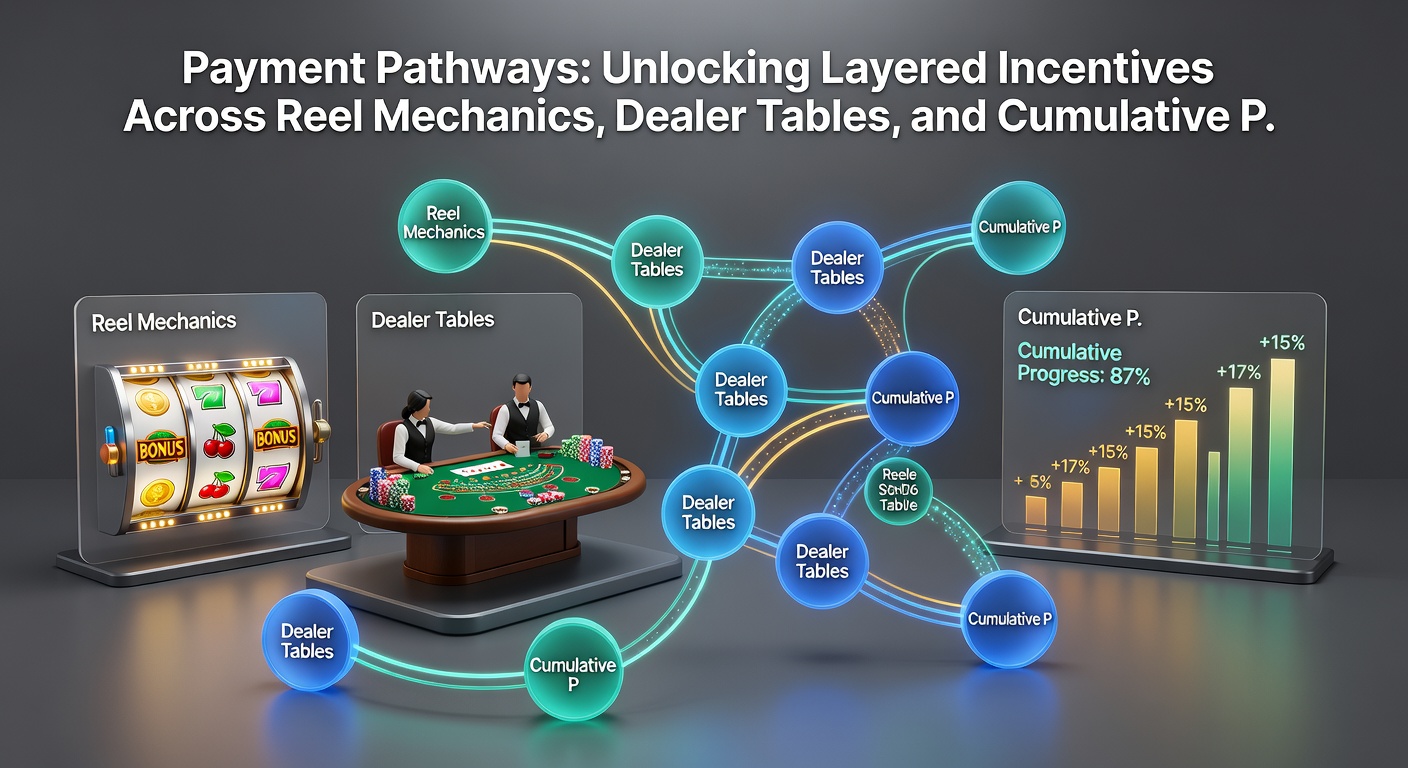
Those who have examined transaction patterns across platforms report that seamless transfers reduce friction between reel play and table sessions, enabling players to move from one environment to the other while retaining active incentive layers. A deposit initiated on a mobile app can therefore credit a roulette table, activate a side bet multiplier, and add value to a networked prize pool that also incorporates slot contributions, all without requiring separate funding steps.
Cumulative Prize Networks and Layered Accumulation
Progressive networks aggregate contributions from reel spins, dealer wagers, and intermediary bonus redemptions into single growing jackpots. Payment pathways accelerate this accumulation because each deposit processes quickly enough to increment the meter before the next game cycle begins. Figures released by the American Gaming Association reveal that platforms with optimized rails report higher average jackpot values during peak hours, since more transactions reach the network in real time.
Layered incentives appear when a single payment unlocks entry into multiple prize tiers at once. One deposit might satisfy the requirement for a slot-linked progressive while also qualifying the player for a dealer-table exclusive pool and a hybrid event bonus. In May 2026, analysts tracking hybrid slot-live events documented increased network activity as payment systems handled simultaneous contributions from reel mechanics and dealer tables, pushing cumulative prizes past previous monthly records in several jurisdictions.
Platform Architecture and Incentive Synchronization
Backend systems coordinate payment confirmations with game servers so that incentive layers activate in sequence rather than isolation. A verified transfer reaches the reel engine first, then routes residual value to dealer tables, and finally registers with the prize network, ensuring each component recognizes the same funding event. Those who've studied these architectures find that synchronization prevents overlap conflicts and maintains accurate tracking across all three areas.
Regional variations exist in how quickly these pathways operate. Platforms serving North American markets often prioritize bank-integrated solutions, whereas operators in Asia-Pacific regions lean on digital wallet partnerships to achieve comparable speeds. Both approaches produce the same outcome: deposits that unlock layered rewards without forcing players to navigate separate funding menus for slots, tables, or jackpots.
Conclusion
Payment pathways now function as the central mechanism that synchronizes incentives across reel mechanics, dealer tables, and cumulative prize networks. Transaction speed determines how quickly each layer activates, and platform data confirms that faster processing correlates with higher engagement across all three categories. As systems continue to refine routing logic, the connections between deposits and multi-game rewards grow more direct, allowing single funding events to influence outcomes throughout digital casino environments.