Investigative Report Reveals Unlicensed Casino Network Targeting UK Players and Dodging GamStop
Viktor Simmons · Apr 5, 2026

Investigative Report Reveals Unlicensed Casino Network Targeting UK Players and Dodging GamStop
The Exposure of a Shadowy Online Gambling Empire
An in-depth investigative report published in early April 2026 has pulled back the curtain on a sprawling network of at least eight unlicensed online casinos that have been aggressively targeting UK gamblers, bypassing the country's self-exclusion scheme known as GamStop; sites like MyStake, Velobet, and Goldenbet sit at the heart of this operation, drawing in 2.3 million monthly visitors from the UK between November 2025 and January 2026, according to traffic data analyzed in the report.
Operated by Santeda International BV, a company registered in Curaçao, these platforms have evaded UK licensing requirements while promoting themselves through a web of affiliate sites designed specifically to lure players who have opted out via GamStop; observers note that such schemes exploit vulnerabilities in cross-border enforcement, allowing operators to skirt regulations that protect vulnerable individuals from gambling harms.
What's interesting here is how the report connects these casinos not just to high traffic volumes but also to real-world consequences, including financial distress for players, instances of fraud, and even a tragic gambler's suicide reported in January 2026; data from the investigation highlights the scale, revealing that UK visitors alone generated significant activity on these unlicensed domains during those key months.
Operators and Their Controversial Ties
Santeda International BV, the Curaçao-based entity behind the network, has drawn scrutiny for its previous associations with Upgaming—a now-defunct platform—and a group of Georgian businessmen who helped shape its operations; researchers tracing the ownership trail discovered that these connections allowed the company to rapidly scale its offerings, launching multiple casino brands that mirror licensed sites in design and promotions but operate without UK Gambling Commission approval.
Take MyStake, for instance, one of the flagship sites in this lineup; it features slots, live dealer games, and sports betting tailored to UK tastes, yet affiliate marketers have pushed it through SEO-optimized blogs and comparison sites that downplay its unlicensed status or outright ignore GamStop compatibility. Velobet and Goldenbet follow a similar playbook, with Velobet emphasizing sports wagers and Goldenbet focusing on high-stakes table games; together, these eight or more platforms form a coordinated ecosystem, sharing backend technology and payment processors that facilitate quick deposits from UK bank accounts.
But here's the thing: Curaçao's licensing regime, while legitimate in its jurisdiction, holds little weight in the UK, where operators must comply with stringent rules on fairness, responsible gambling, and anti-money laundering; the report details how Santeda's model thrives on this regulatory gap, using mirror sites and VPN-friendly access to keep UK players engaged even as enforcement agencies struggle to block them effectively.
Bypassing GamStop: The Mechanics of Evasion
GamStop, the UK's national self-exclusion service launched in 2018, allows players to block themselves from all licensed gambling sites for set periods, yet unlicensed operators like those in the Santeda network remain untouched; affiliate sites play a crucial role here, promoting these casinos with phrases like "GamStop-free alternatives" or "play without restrictions," directing traffic from frustrated excluders who seek ways around the system.
Figures from the investigation reveal the impact: 2.3 million UK visits per month across the network from November 2025 through January 2026, a period that coincided with holiday betting spikes and New Year's resolutions gone awry; experts who've analyzed similar patterns point out that such volumes translate to substantial revenue, much of it from players already flagged as high-risk on licensed platforms.
And it doesn't stop at traffic numbers; the report uncovers evidence of aggressive marketing tactics, including fake testimonials from "UK winners" and bonuses structured to encourage rapid play, all while ignoring tools like deposit limits or reality checks mandated in the UK. One case study in the exposé describes a player who, after self-excluding via GamStop, stumbled upon a Velobet affiliate link and racked up losses exceeding £20,000 in weeks, highlighting how these sites prey on momentary lapses.
Harms and Tragedies Linked to the Network
Financial harm emerges as a core issue in the report, with data indicating thousands of UK players suffering significant losses on these platforms; fraud allegations surface too, as some sites allegedly manipulate withdrawals or use unclear terms to withhold winnings, leaving gamblers out of pocket and distrustful of the industry at large.
Turns out the most heartbreaking element ties directly to a suicide in January 2026, where the victim—a UK resident—had been active on Goldenbet despite GamStop registration; family statements quoted in the Guardian investigation describe a downward spiral fueled by easy access and unchecked betting, prompting widespread outrage and demands for accountability from Curaçao authorities.
Researchers studying gambling addiction have long warned about unlicensed sites' role in relapse rates, and this case underscores those findings; while correlation doesn't prove causation, the temporal link between heavy play on the network and the tragedy has galvanized campaigners, who argue that lax offshore oversight endangers lives.
Traffic Data and the Scale of Infiltration
SimilarWeb analytics cited in the report paint a stark picture: MyStake alone pulled in over 800,000 UK visits monthly during the observed period, with Velobet and Goldenbet contributing hundreds of thousands more; these numbers dwarf many licensed competitors, showing how affiliates have mastered search engine optimization to rank "non-GamStop casinos" high in UK queries.
Now, in April 2026, as the story breaks, UK traffic to these sites shows signs of dipping amid media coverage, yet experts caution that mirror domains and fresh affiliates could sustain the flow; the reality is that blocking individual IPs proves futile against tech-savvy operators who rotate servers and domains weekly.
People who've tracked offshore gambling note a pattern: networks like Santeda's rise during enforcement lulls, capitalizing on GamStop's limitations—which don't cover unlicensed operators—while licensed sites foot the bill for responsible gambling levies that unlicensed rivals dodge entirely.
Calls for Action and Regulatory Responses
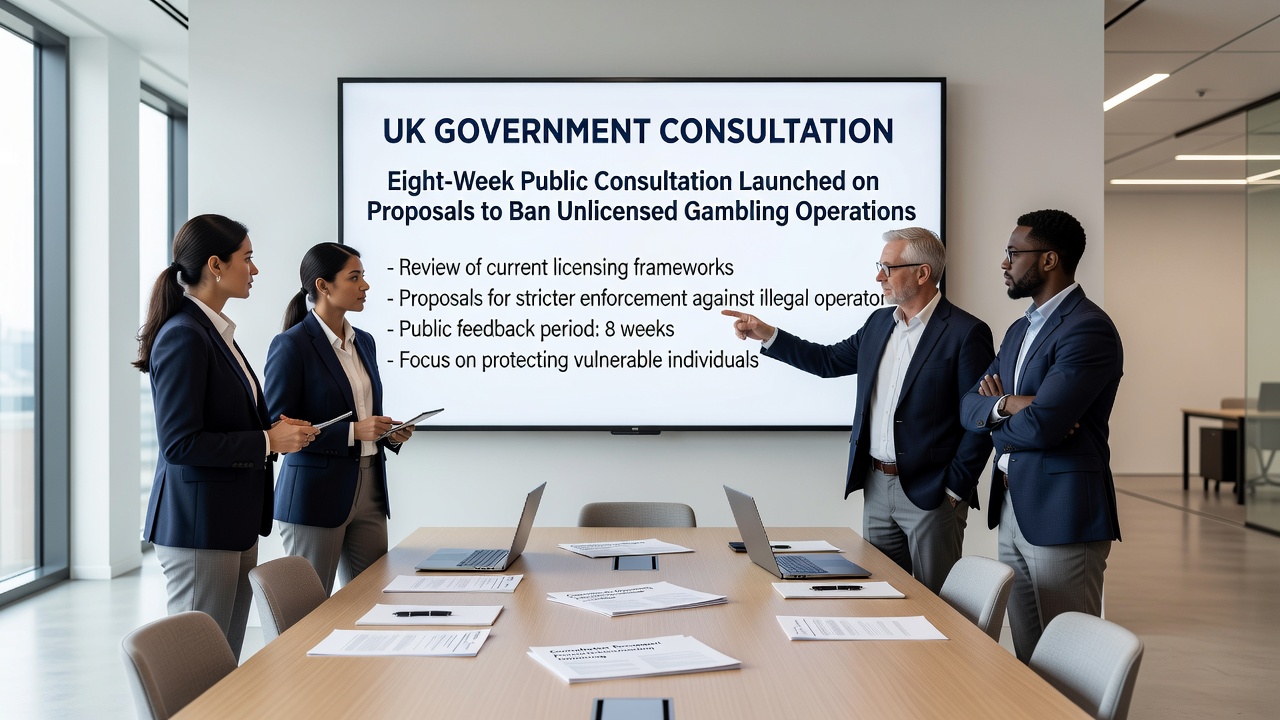
The exposé has ignited calls for tougher UK laws, including mandatory ISP blocks for unlicensed sites and stricter penalties for affiliates; the UK Gambling Commission has acknowledged the issue, stating in April 2026 updates that it coordinates wth international partners to disrupt such networks, although progress remains slow due to jurisdictional hurdles.
Gambling reform advocates, buoyed by the report, push for expanded self-exclusion tools that encompass offshore operators, perhaps through payment provider interventions; banks like NatWest and Barclays have piloted gambling blocks, but coverage gaps persist, allowing transfers to Curaçao entities like Santeda.
So where does the ball lie now? With lawmakers debating the Gambling Act review in spring 2026 sessions, this scandal adds urgency, as figures from the investigation underscore the human cost of inaction; observers watch closely to see if Curaçao regulators, under pressure from the UK, impose sanctions on Santeda or its affiliates.
Conclusion
This April 2026 bombshell report lays bare the vulnerabilities in the UK's gambling safeguards, exposing how a Curaçao operator's network of unlicensed casinos infiltrated the market, bypassed GamStop, and inflicted widespread harm on UK players; with 2.3 million monthly visitors fueling financial ruin, fraud, and a linked suicide, the findings demand swift enforcement and legislative muscle.
Yet as affiliates adapt and traffic shifts, the fight against such operations continues, reminding everyone in the sector that true player protection requires global cooperation beyond borders; data from this single investigation has already shifted conversations, setting the stage for potential crackdowns that could reshape online gambling's landscape for years to come.