Evoke Plc in Takeover Talks with Bally's Corporation Amid UK Betting Tax Pressures
Harper Brooks · Apr 24, 2026

Evoke Plc in Takeover Talks with Bally's Corporation Amid UK Betting Tax Pressures
The Breaking Development in UK Gambling
Evoke Plc, the company behind the iconic British betting chain William Hill, has entered reported takeover discussions with US casino operator Bally's Corporation for a valuation hovering around £225 million; this potential deal surfaces as a lifeline amid mounting financial strains from recent Labour government tax increases on gambling firms, with Bally's eyeing the acquisition of Evoke's UK operations to strengthen its foothold in the British betting landscape. Observers note that such moves aren't uncommon in an industry where regulatory shifts can swiftly reshape corporate strategies, and here the talks, first highlighted in major outlets like The Guardian and The Telegraph, underscore Bally's ambition to pivot from its US casino roots into online and retail betting across the Atlantic.
What's interesting is how quickly these negotiations have progressed since whispers emerged in mid-October 2024, positioning the deal as more than a simple buyout but a strategic rescue for Evoke, whose shares have tumbled under the weight of higher operational costs; data from the London Stock Exchange reveals Evoke's market cap dipped below £300 million earlier this year, making the £225 million figure a pragmatic benchmark in a sector where survival often hinges on consolidation.
Evoke's Journey and William Hill Legacy
Evoke Plc, formerly known as 888 Holdings, snapped up William Hill's non-US assets from Caesars Entertainment in 2022 for £2.2 billion, a blockbuster move that instantly crowned it one of Europe's largest online betting operators with over 2,500 UK shops and millions of digital users; yet, that acquisition, once hailed for blending William Hill's high-street heritage with 888's tech prowess, now faces headwinds as tax burdens erode margins, prompting those in the boardroom to explore exit strategies. Researchers tracking gambling mergers point out that William Hill, founded in 1934, has weathered multiple ownership changes—from private equity plays to international giants—yet this latest chapter reflects broader pressures on legacy brands adapting to digital-first regulations.
And while Evoke boasts revenue streams from sports betting, casino games, and poker, figures from its half-year report show UK operations generating £700 million annually, a chunk vulnerable to policy tweaks that hike the remote gaming duty from 21% to an effective higher rate through planned reforms; it's no surprise then that suitors like Bally's see value in those established customer bases and retail networks, especially as online growth slows under affordability checks.
Take one analyst who dissected Evoke's filings: they found that post-acquisition synergies delivered cost savings of £100 million, but recent tax proposals—slated for full implementation by April 2026—threaten to wipe out those gains, turning what was a growth story into a consolidation play.
Labour's Tax Hikes: The Trigger for Talks
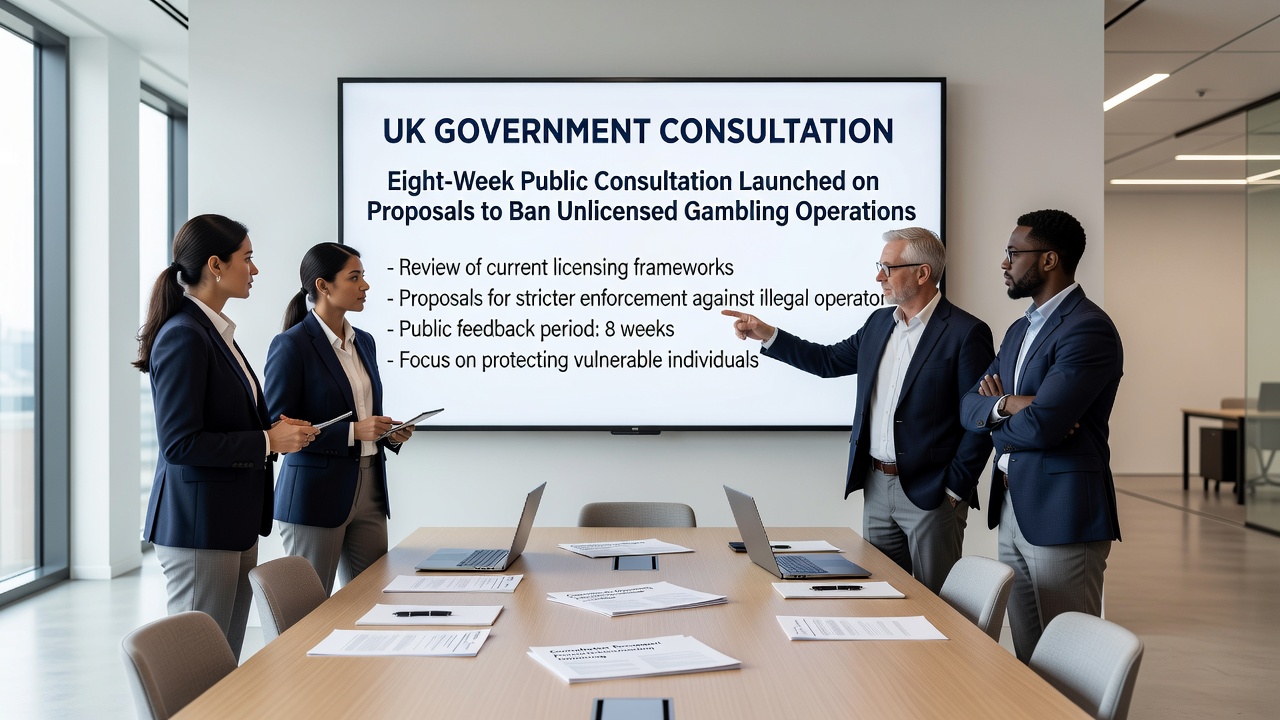
The Labour government's aggressive stance on gambling taxation, announced shortly after their July 2024 election win, ramps up duties on online stakes and profits, with changes projected to extract an extra £3 billion from the sector over five years; these hikes, targeting "problem gambling" hotspots like slots and in-play betting, have already squeezed operators' bottom lines, leading Evoke to issue profit warnings and slash dividends. Industry data indicates that gross gaming revenue growth stalled at 6% for Q2 2024, far below pre-pandemic levels, while compliance costs from new stake limits—£5 on slots for many players—add layers of friction.
But here's the thing: those tax measures, detailed in the Autumn Budget, don't just hit revenues; they cascade into reduced marketing budgets and tech investments, making smaller players like Evoke prime targets for US entrants with deeper pockets and transatlantic diversification. Experts who've modeled the impacts estimate that firms with heavy UK exposure, such as Evoke, could see EBITDA margins shrink by 5-7 percentage points by April 2026 if unmitigated, which explains the urgency in these Bally's discussions.
Bally's Playbook: From US Casinos to UK Betting
Bally's Corporation, a Providence, Rhode Island-based powerhouse with 15 US casinos and a growing iGaming footprint, has long eyed international expansion; fresh off launching its UK-facing online sportsbook in partnership with platforms like SportCaller, the firm now positions this Evoke deal as a shortcut to retail dominance, leveraging William Hill's 2,400+ shops for instant market penetration. According to American Gaming Association reports, Bally's US revenues topped $2.5 billion in 2023, fueled by properties in Las Vegas and Atlantic City, yet executives have flagged UK entry as key to offsetting domestic saturation.
Turns out Bally's isn't new to bold moves: it acquired Gamesys for $2 billion in 2022 to bolster online slots and bingo, mirroring how this Evoke pursuit targets sports betting synergies; observers note that Bally's UK license, secured via its existing operations, clears a path for seamless integration, potentially blending US tech stacks with William Hill's customer loyalty programs. One case study from similar cross-border deals—like Entain's US push—shows such mergers boosting market share by 10-15% within a year, a metric Bally's likely banks on here.
So, with Evoke's UK-centric assets on the table, Bally's stands to gain not just shops and apps, but a seasoned team navigating Britain's strict affordability regimes, all while April 2026 tax deadlines loom larger.
Deal Mechanics and Market Reactions
The proposed £225 million price tag—roughly 1.2 times Evoke's recent market value—reflects a distressed sale premium, structured around cash consideration and possible earn-outs tied to post-deal performance; sources close to the talks reveal Bally's would assume Evoke's UK debt of about £400 million, sweetening the package for shareholders facing dilution risks from standalone funding rounds. Stock markets reacted swiftly: Evoke shares jumped 20% on the news, signaling investor relief, while Bally's dipped marginally on Nasdaq amid integration cost concerns.
Yet regulatory hurdles persist; approvals from bodies like the Competition and Markets Authority will scrutinize overlaps in online betting, although precedents like the Flutter-Paddy Power merger suggest green lights for efficiency-driven consolidations. Data from past deals indicates completion timelines of 4-6 months, aligning with a potential close by early 2025, ahead of harsher tax phases.
People in the industry often find that such transactions reshape competitive dynamics, with Bally's potentially challenging giants like Flutter and Entain by fusing casino expertise with betting heritage.
Broader Industry Ripples
This saga highlights a UK gambling sector in flux, where tax hikes—pegged to curb addiction while funding public services—accelerate M&A waves; European Gaming and Betting Association analyses show operator exits rising 25% since 2023, as US firms like DraftKings and now Bally's scoop up assets at discounts. Case in point: Playtech's sale of sun bingo to larger peers amid similar pressures, proving that consolidation isn't just survival—it's the new normal.
Now, as April 2026 brings full levy implementations on lost bets, those who've studied tax impacts predict a 10% industry contraction unless offset by efficiencies from deals like this; Bally's entry, in particular, injects US capital into a market craving innovation, from AI-driven personalization to cross-product wallets linking casinos and sports.
It's noteworthy that William Hill's brand endures through it all, a fixture since the 1960s betting shops boom, now potentially revitalized under American stewardship.
Conclusion
Evoke's takeover talks with Bally's crystallize the collision of UK policy pressures and global ambitions, offering a £225 million bridge over tax-induced turmoil while paving Bally's path deeper into Europe's betting heartland; as negotiations unfold, stakeholders watch for regulatory nods and integration blueprints that could redefine William Hill's next era. The reality is, in gambling's high-stakes game, adaptability wins—and this deal positions both firms to navigate choppy waters ahead, especially with April 2026 milestones on the horizon.