Digital Footprints in Jackpot Pools: Connecting Mobile Transactions to Progressive Rewards in Slots and Tables
Elena Beck · Jun 5, 2026
Digital Footprints in Jackpot Pools: Connecting Mobile Transactions to Progressive Rewards in Slots and Tables
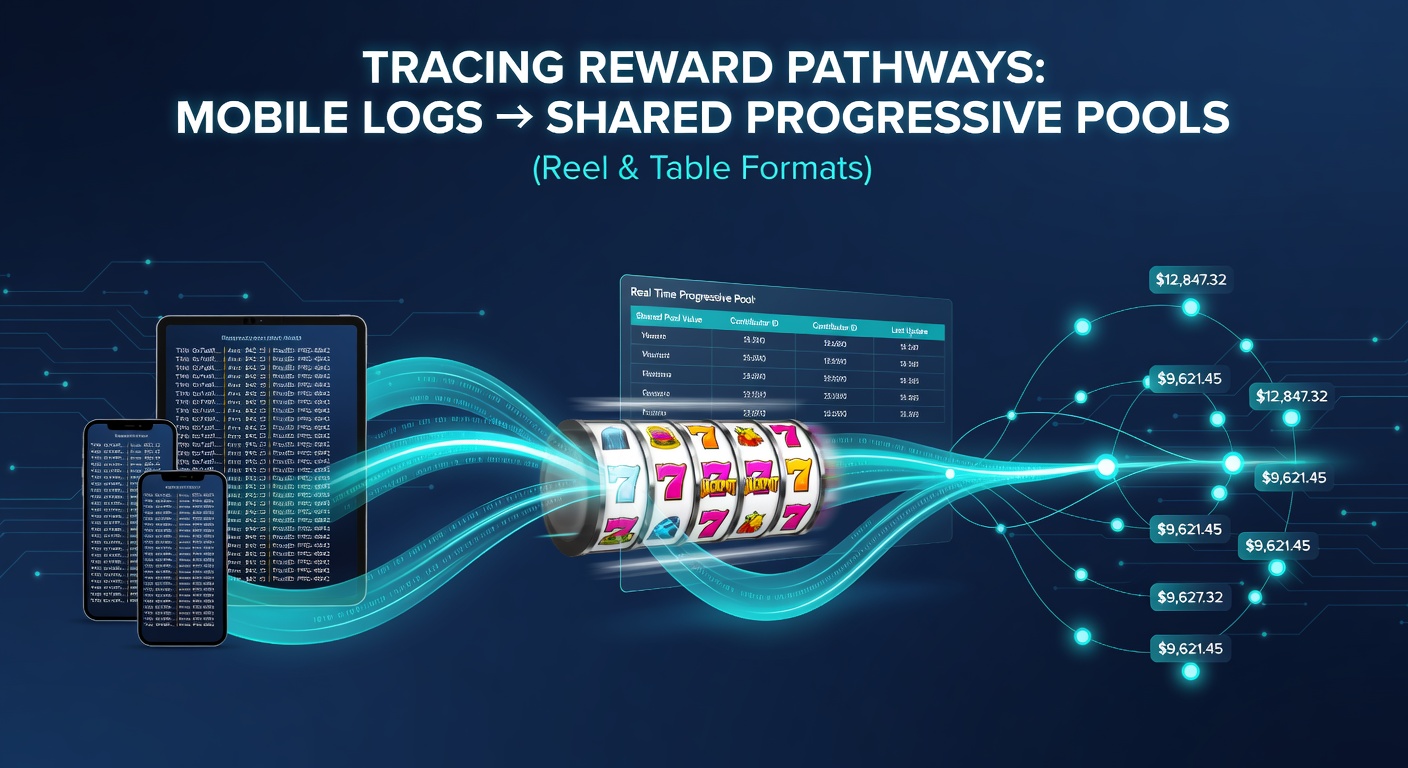
Payment systems in modern gaming environments route mobile transaction data directly into centralized progressive pools that span both reel-based machines and table game formats, creating linked reward structures where contributions from one format feed jackpots accessible through the other. Observers note that transaction logs generated at the point of deposit capture player identifiers, amounts, and timestamps before these details merge with backend systems that allocate portions to shared pools.
Software platforms record each mobile deposit as a discrete event that triggers an immediate percentage allocation to progressive meters, and this process operates continuously across multiple game categories. Data flows from mobile apps into casino management systems where algorithms determine contribution rates based on game type, bet size, and pool configuration rules established by operators. Researchers have documented cases where a single deposit log entry updates meters for both slot progressives and table game pools simultaneously, allowing players to qualify for rewards in either format depending on their subsequent play choices.
Transaction Logging Mechanics
Mobile transaction logs store structured fields that include device identifiers, payment processor references, and authorization codes, and these elements combine with game session data to trace the path from deposit to jackpot eligibility. System architects design the logging sequence so that each step preserves traceability while maintaining separation between player account balances and the progressive pool itself. Industry reports from the Nevada Gaming Control Board detail how operators must maintain immutable records of these allocations to satisfy audit requirements across multi-game environments.
Real-time synchronization occurs when mobile deposits complete, because the transaction confirmation message immediately signals the progressive controller to increment the relevant meters. This linkage ensures that contributions made during slot play can influence table game jackpot values and vice versa within the same shared pool architecture. Those who've examined the data streams point out that timestamp precision at the millisecond level prevents duplicate allocations while enabling accurate reconciliation during daily pool audits.
Shared Progressive Pool Structures
Progressive pools that span reel and table formats operate through a unified meter system where each eligible wager, regardless of game category, adds to the same growing total. Configuration files specify the contribution percentages for different game types, so a slot spin might contribute 1.5 percent while a roulette bet contributes 0.8 percent to the same pool. The resulting jackpot becomes available to players on either format once the trigger conditions activate, creating cross-format reward pathways that did not exist in earlier segregated systems.
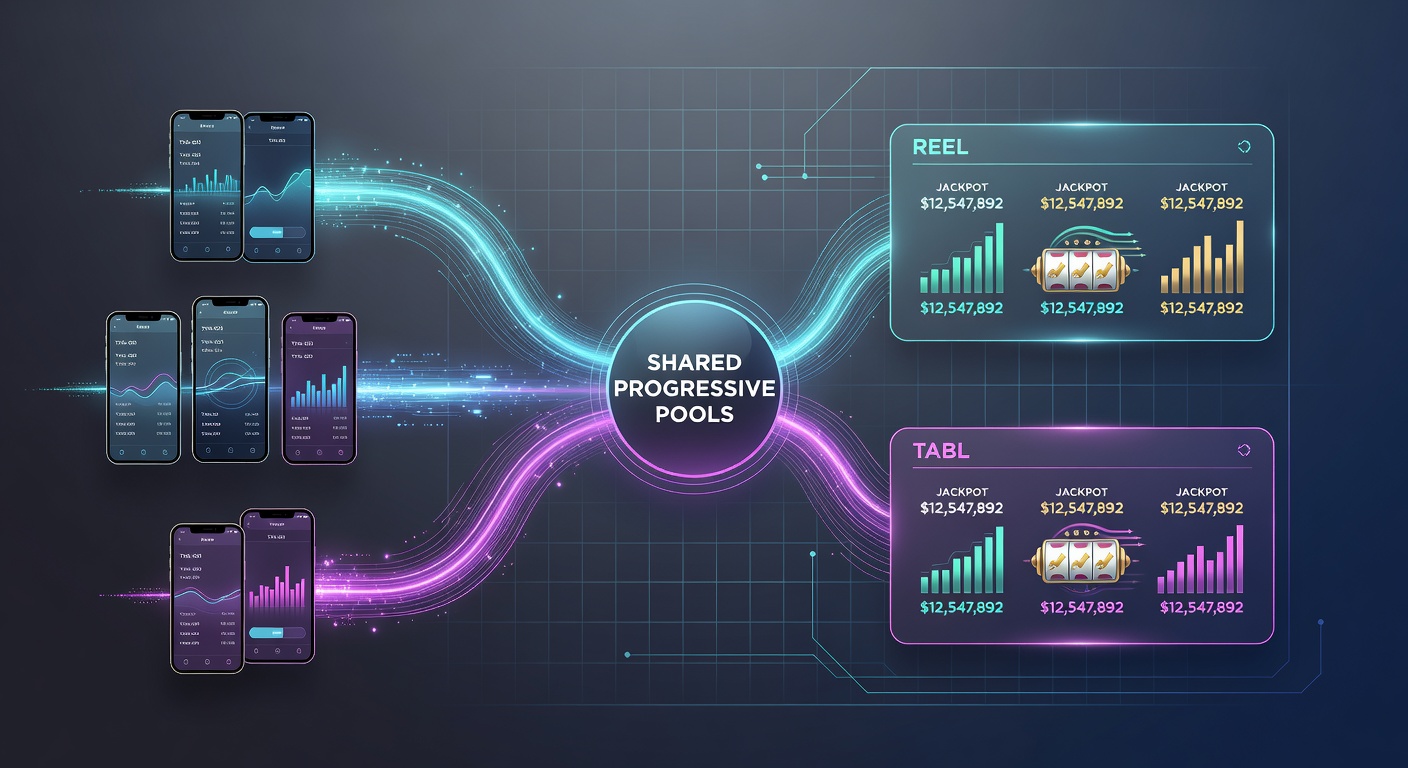
Pool management software maintains separate contribution ledgers for each game category while displaying a single visible jackpot amount to players. This approach allows regulatory oversight to verify that allocations remain proportionate to the wagers placed across formats. A study released by the University of Nevada, Reno examined pool distribution patterns and found that shared structures increased overall contribution volumes by routing mobile deposits through unified tracking layers rather than isolated game servers.
Regulatory Developments in June 2026
Starting in June 2026 several jurisdictions will require enhanced logging standards for progressive systems that cross game formats, mandating that operators retain mobile transaction metadata for a minimum of seven years. These rules aim to strengthen audit trails connecting deposits to jackpot awards across both reel and table environments. Canadian provincial regulators have signaled similar expectations, requiring operators to demonstrate that shared pool contributions can be reconstructed from raw mobile log files without reliance on intermediate summary reports.
Operators have begun adjusting their data architectures ahead of the June 2026 deadlines by implementing blockchain-based logging layers that timestamp every allocation event. This technology creates verifiable chains of custody from the moment a mobile payment clears until the funds reach the progressive meter, satisfying the upcoming transparency mandates while preserving operational speed.
Conclusion
Tracing reward pathways from mobile transaction logs to shared progressive pools requires integrated logging systems that preserve every data element from deposit through allocation and eventual payout. Reel and table formats now draw from common pools because backend controllers treat contributions uniformly regardless of the game interface players choose. Reports from the Australian Communications and Media Authority indicate that jurisdictions adopting these unified tracking methods have recorded higher accuracy rates during jackpot audits compared with earlier segregated approaches. The technical infrastructure supporting these pathways continues to evolve as new logging standards take effect in June 2026 and beyond.