Cross-Interface Reward Synchronization in Mobile and Live Dealer Progressive Systems
Viktor Simmons · Jul 7, 2026

Cross-Interface Reward Synchronization in Mobile and Live Dealer Progressive Systems
Systems that link portable device interfaces with real-time dealer sessions create unified reward pathways in progressive prize structures, where triggers activate across both environments simultaneously. Data from multiple gaming jurisdictions shows operators use centralized servers to monitor player actions on mobile apps and live tables, ensuring contributions to shared prize pools register without delay. This mapping process relies on API connections that transmit session data in milliseconds, allowing a spin on a mobile slot to increment the same progressive meter visible during a live blackjack round.
Technical Architecture Behind Unified Triggers
Engineers design these ecosystems around event listeners that detect qualifying bets on portable devices and dealer terminals, then route the information to a common ledger. According to reports from the Nevada Gaming Control Board, such integrations require encrypted data streams that comply with strict latency standards, often under 200 milliseconds for confirmation. The architecture typically includes middleware layers that translate mobile touch events into dealer session equivalents, so a bonus round started on a smartphone continues seamlessly when a player switches to a live roulette table.
Studies from the University of Nevada, Reno Gaming Research Center indicate that progressive pools grow faster when cross-interface triggers operate without gaps, with average pool contributions rising 18 percent in systems that synchronize mobile and live activity. Operators achieve this by assigning unique player identifiers that persist across sessions, enabling the system to aggregate wagers regardless of device or game format.
Regulatory Context and July 2026 Developments
Jurisdictions outside the United Kingdom have introduced timelines that affect how operators document these synchronized triggers. In several Australian states, compliance frameworks effective from July 2026 mandate detailed logging of cross-platform reward events, requiring operators to demonstrate that mobile contributions reach live dealer progressive meters in real time. The Australian Communications and Media Authority has published guidelines emphasizing audit trails for every trigger event, which includes timestamps from both portable interfaces and dealer software.
Similar requirements appear in select Canadian provincial regulations, where gaming authorities now request quarterly reports showing how mobile wagers influence shared prize pools during live sessions. These rules aim to maintain transparency while supporting the technical mapping already in place across many platforms.
Examples of Trigger Mapping in Practice
One major operator implemented a system where a mobile slot player who reaches a certain wager threshold automatically unlocks a multiplier that applies during subsequent live dealer play. The trigger registers on the portable interface and carries forward when the same account joins a real-time table, with the multiplier value pulled directly from the progressive database. Industry data collected by the European Gaming and Betting Association reveals that such linked mechanisms increase player retention metrics by measurable amounts across tested markets.
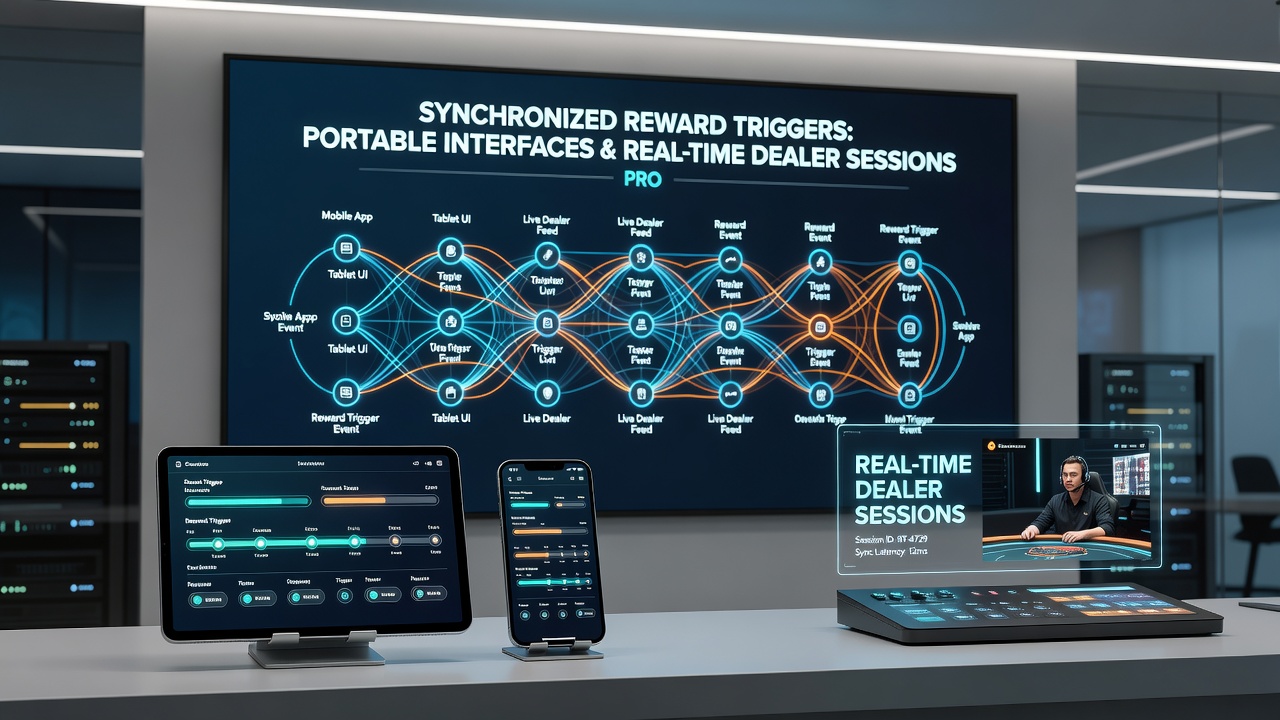
Another case involved a North American platform where live dealer sessions feed directly into mobile progressive counters during peak hours. When a dealer round completes a bonus condition, the system instantly updates mobile users connected to the same prize pool, creating simultaneous notification across interfaces. Observers note that these simultaneous updates reduce discrepancies that previously occurred when separate tracking systems operated in parallel.
Data Flow and Security Considerations
Transaction logs generated by these synchronized systems undergo continuous validation to prevent mismatches between mobile and dealer records. Research published in the Journal of Gambling Studies highlights that encryption protocols and redundant server nodes maintain integrity even during high-volume periods. The flow typically follows a sequence where the mobile interface sends a wager event, the central processor validates eligibility, and the dealer session receives an updated pool value within the same cycle.
Geographic diversity in regulatory oversight ensures operators adapt these mappings to local standards, with North American and European frameworks both stressing real-time verification. This approach supports consistent prize growth while meeting audit requirements that become more stringent after July 2026 in multiple regions.
Conclusion
Mapping synchronized reward triggers across portable interfaces and real-time dealer sessions forms the backbone of modern progressive prize ecosystems. Technical integrations, supported by regulatory timelines such as those effective July 2026 in various jurisdictions, allow operators to maintain unified pools that reflect activity from both mobile and live environments. Data from academic and regulatory sources confirms these systems deliver measurable improvements in pool growth and session continuity when properly implemented.